

Introduction – AI For Construction
Artificial intelligence (AI) is reshaping industries across the globe, and construction is no exception. AI technologies—ranging from machine learning and computer vision to generative design—are accelerating project delivery, improving safety and reducing costs. A market report on AI in construction values the sector at USD 4.86 billion in 2025 and projects growth to USD 35.53 billion by 2034, representing a compound annual growth rate (CAGR) of 24.80 %. This rapid expansion reflects the increasing adoption of AI‑driven solutions for project management, risk mitigation, scheduling, supply chain optimisation and quality control. In the UAE, where ambitious construction projects include steel housing developments and massive warehouses, AI offers tools to meet tight deadlines, complex design requirements and sustainability goals. This article explores how AI is transforming steel housing and warehouse manufacturing, highlighting applications, benefits and future prospects.
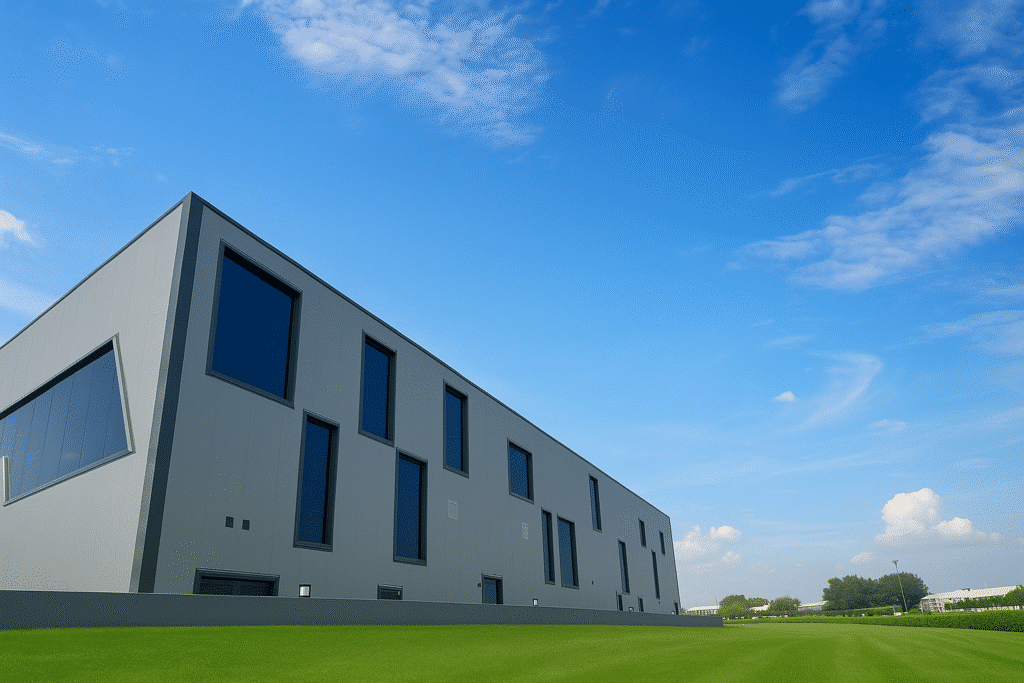
Overview of AI For Construction
AI in construction encompasses a variety of technologies that automate tasks, provide predictive insights and enable data‑driven decision‑making. Machine learning algorithms analyse large datasets—project schedules, cost histories, sensor readings—to identify patterns and optimise processes. Computer vision systems interpret images from drones and site cameras to monitor progress, detect hazards and assess quality. Natural language processing helps manage documentation and communication by extracting key information from contracts and reports. Generative design uses AI to explore countless design permutations, producing structures that maximise performance while minimising materials.
AI adoption in construction is driven by the need for efficiency, risk management and sustainability. Traditional project management often suffers from delays, budget overruns and safety incidents. By incorporating AI into design, planning and execution, stakeholders can anticipate issues early, allocate resources more effectively and ensure better outcomes. For steel housing and warehouse projects in the UAE, AI has the potential to revolutionise each stage of the construction lifecycle.
AI Applications in Steel Housing Construction
Generative Design and Optimised Planning
Steel housing involves complex structural considerations, from load paths to thermal bridging. Generative design tools use AI algorithms to generate thousands of building iterations, optimising for factors such as structural efficiency, material usage, daylight penetration and energy performance. Engineers input project constraints and performance goals; the algorithm produces multiple design options, each satisfying those criteria. Designers can then select the most suitable solution based on cost, aesthetics or sustainability targets. This process accelerates design cycles and ensures that final layouts make efficient use of steel components.
AI also enhances planning through 4D and 5D modelling—incorporating time and cost dimensions into building information models (BIM). AI analyses construction sequences to identify potential clashes, resource conflicts and scheduling bottlenecks. By adjusting tasks digitally before construction begins, project managers reduce delays and rework on site.
Read our guide: What Is A Smart city
Construction Robotics and Automation
AI powers a new generation of construction robots that perform repetitive or hazardous tasks more safely and consistently than human workers. In steel housing construction, robotic welding machines join beams with precise, high‑quality welds. Automated drilling and cutting systems prepare steel members for assembly based on digital fabrication plans. On site, semi‑autonomous cranes and vehicles move components into place, guided by AI algorithms that calculate optimal paths and minimise collisions.
Drones equipped with computer vision software survey sites, capturing images and generating 3D models of progress. These models allow project managers to verify that steel frames are assembled correctly and detect deviations early. Robots can also be used for interior finishing tasks, such as drywall installation and painting, improving productivity and quality consistency.
Predictive Maintenance and Quality Control
Structural integrity is paramount for steel houses, especially in the UAE’s harsh climate. Sensors embedded in steel members monitor strain, vibration and temperature. AI analyses sensor data to predict potential failures and schedule maintenance before problems become critical. For example, if sensors detect unusual deflection in a beam, AI algorithms can correlate that data with environmental conditions and load history to recommend inspection or reinforcement.
AI‑driven quality control uses computer vision to inspect welds, bolts and connections automatically. High‑resolution cameras scan joints; machine learning models identify defects such as cracks, misalignment or incomplete welds. This approach improves accuracy compared with manual inspection and reduces the risk of structural issues going unnoticed.
AI in Warehouse Manufacturing
Facility Layout and Workflow Optimisation
AI can enhance warehouse design by analysing storage requirements, product flows and labour patterns. Algorithms evaluate different layout configurations, determining the optimal arrangement of racks, aisles, receiving and shipping areas. The goal is to minimise travel distances and maximise storage density. In high‑throughput environments, AI suggests cross‑docking layouts that reduce handling time and speed up order fulfilment.
AI also supports dynamic scheduling within warehouses. Machine learning models predict order volumes based on seasonality, promotions and historical data. They then allocate labour and equipment accordingly, ensuring that resources are matched to demand. For example, predictive analytics may recommend deploying extra automated guided vehicles (AGVs) during peak periods or reassigning staff to order picking stations.
Robotics and Automated Systems
Warehouses increasingly rely on robots for material handling. AI controls fleets of AGVs that transport pallets between storage and loading docks. In smaller fulfilment centres, collaborative robots (cobots) work alongside humans to pick and pack items. Robotic arms on sorting lines use computer vision to identify packages and route them to the correct destinations. AI algorithms constantly adapt to changing conditions—altered inventory levels or equipment downtime—to maintain throughput.
AI also improves the maintenance of warehouse automation systems. Sensors track the performance of motors, belts and bearings; predictive maintenance algorithms analyse this data to identify wear patterns and schedule repairs before breakdowns occur. This reduces unplanned downtime and extends equipment life.
Read our guide: Harnessing MEP Expertise
Supply Chain Integration
AI optimises supply chain coordination by forecasting demand, managing inventory and facilitating real‑time visibility. Machine learning models predict when materials will be needed on site or in the warehouse, allowing suppliers to adjust production schedules. Integrated platforms connect manufacturers, logistics providers and warehouse operators, updating delivery schedules based on traffic conditions and port delays. Smart contracts using blockchain technology can automate payments and compliance verification, reducing administrative overhead.
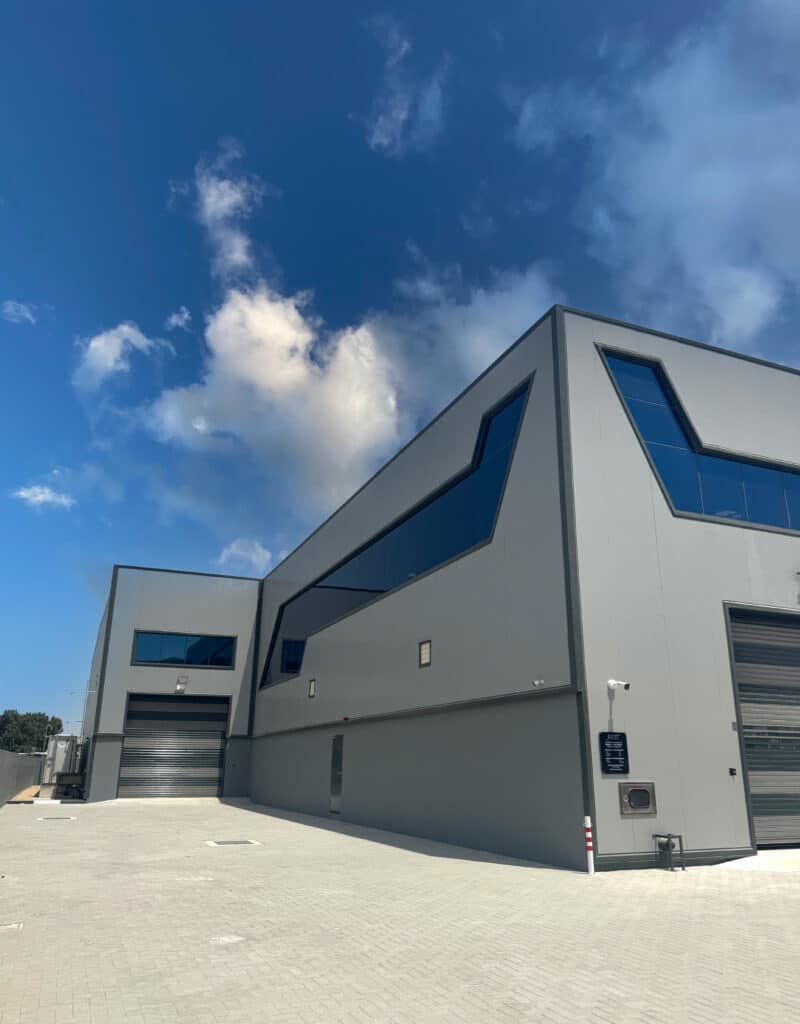
Benefits and Challenges
The benefits of AI in construction and warehousing are substantial:
- Efficiency: AI streamlines design, scheduling and resource allocation, reducing construction time and operational costs.
- Safety: Robotics and predictive analytics mitigate risk by handling hazardous tasks and anticipating structural or equipment failures.
- Quality: Automated inspection and monitoring ensure consistent workmanship and early detection of defects.
- Sustainability: Optimised design and operation reduce material waste and energy consumption. AI can identify opportunities for energy savings by analysing usage patterns.
Despite these advantages, challenges remain. Implementing AI requires substantial data collection; poor data quality can lead to incorrect predictions. Companies need skilled personnel to develop, deploy and maintain AI systems. Cyber‑security is critical, as connected devices and systems may be vulnerable to hacking. Initial investment costs can be high, and small firms may be hesitant to adopt AI without clear return on investment. Regulatory frameworks must evolve to address liability issues when AI systems make decisions that affect safety or schedule.
Future Outlook for AI in UAE Construction
The UAE government is actively promoting digital transformation across industries. Initiatives such as the Dubai 10X programme encourage the adoption of disruptive technologies, including AI, to position the emirate at the forefront of innovation. Construction companies have begun to implement AI‑based solutions for scheduling, safety monitoring and design optimisation. As more projects demonstrate the benefits of AI, adoption is expected to accelerate.
Integration with smart city strategies will further drive the use of AI in construction. Steel construction companies in uae and warehouses will become nodes in a connected urban network, sharing data on energy usage, occupancy and maintenance. AI can coordinate building performance with grid demands, shifting energy consumption to off‑peak periods or storing renewable energy. AI‑assisted manufacturing will continue to improve, with generative design producing lightweight, efficient steel members and robotic fabrication achieving higher precision. Collaboration between industry, academia and government will be essential to train a skilled workforce, develop standards and foster innovation.
Conclusion
Artificial intelligence is poised to transform the construction and warehouse sectors in the UAE. With the AI in construction market expected to grow from USD 4.86 billion in 2025 to USD 35.53 billion by 2034, the technology’s impact is only beginning. By leveraging AI for design optimisation, robotics, predictive maintenance and supply chain coordination, developers can build steel houses and warehouses that are efficient, safe and adaptable. Challenges such as data quality, skills gaps and cyber‑security must be addressed, but the potential benefits far outweigh the obstacles. As the UAE pursues its vision of sustainable, smart cities, AI‑enabled construction will play a central role in delivering resilient infrastructure and meeting the demands of a rapidly changing world.

